Remote Monitoring & Alarming Panels
We were approached with a problem by a regular client in regard to some of their unmanned sites having things fail and nobody knowing about the failures until a site visit was made, at which point it was sometimes days to late and the operators were turning up to sites flooded with sewage or even worse, polluting into a waterway, at which point they were fined by the environment agency.
They needed to know when these sites had an issue but the majority of them are rural, unmanned and remote. They don't have network or internet on site, just power and they were running blind, causing a lot of issues due to them running on old, rarely maintained equipment that was prone to failing without them knowing.
We came up with a simple remote monitoring solution that monitors digital inputs and sends out alarms in the form of text messages and emails via a simple gateway. These units worked on 4G signal so were perfect for these sites with no network required.
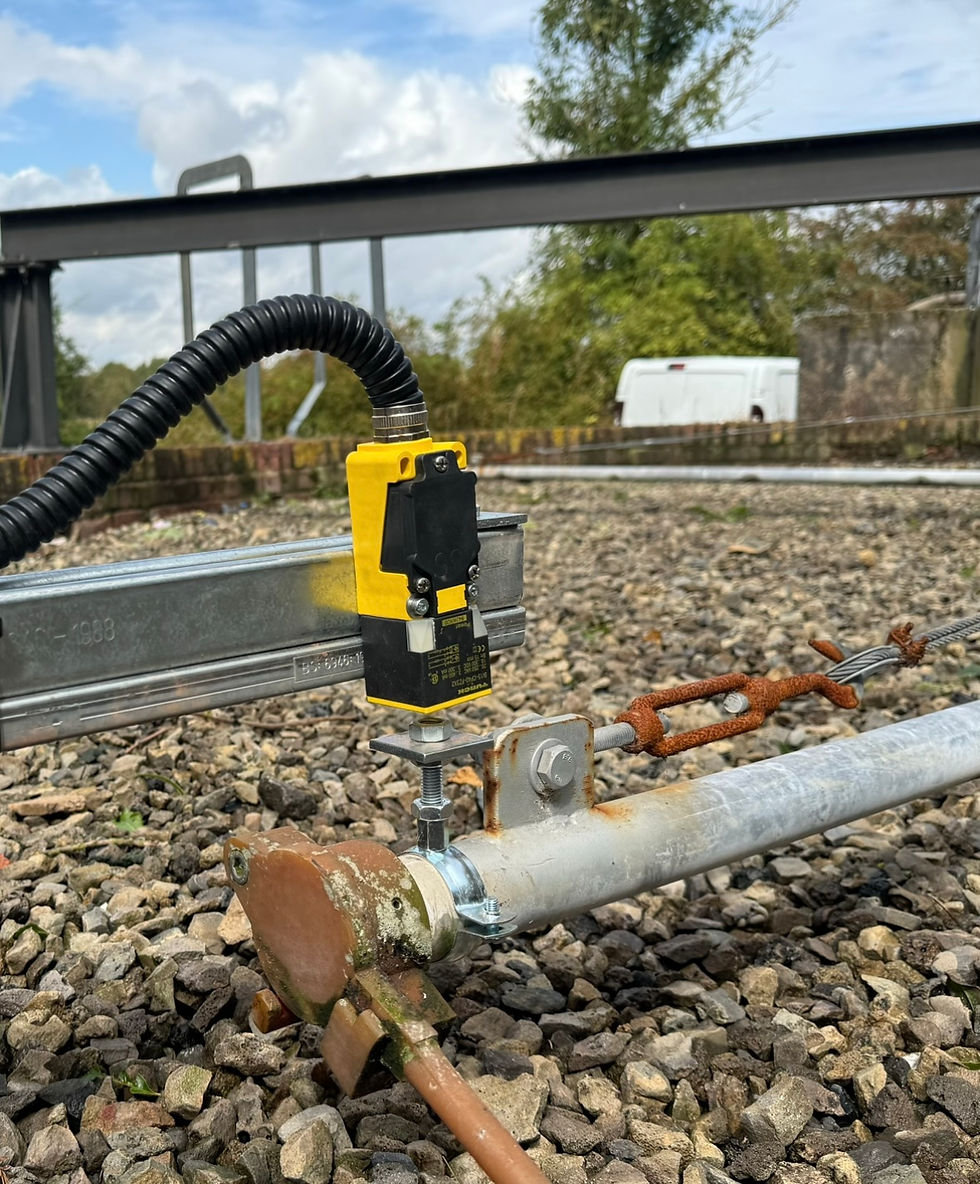
We have these installed on many different bits of kit but this example is monitoring the rotation of a filter bed. These filter beds rotate when the waste water builds up in the inlet, it gravitates to the filter beds and rotates the arms which release the wastewater through the stones in the bed to filter out the bad bacteria, and take the water to the next part of the process. If the arm doesn't rotate this backs up the site and causes the waste water to flood the site or cause a pollution into a waterway.
The rotating arms should on average rotate at least every few hours, but in dry weather, this time can be as long as 8 hours between rotations in some more rural areas. We came up with a solution to install a proximity switch to the filter bed wall and install a striker on the rotating arm of the filter bed to activate the prox switch on each full rotation. This signal goes back to the control panel which monitors the frequency of these rotations. We agreed with the client that if there was no rotation within a 12 hour period, they would receive a text message to the relevant operators and managers, who would then action the alarm with a site visit to rectify whatever the issue is that is causing the loss of rotation.
This in return saves hefty fines (up to £5 million per pollution incident!) and prevents the costs incurred in cleaning flooded sites, helping them run more efficiently and most importantly, run in a more environmentally friendly way.